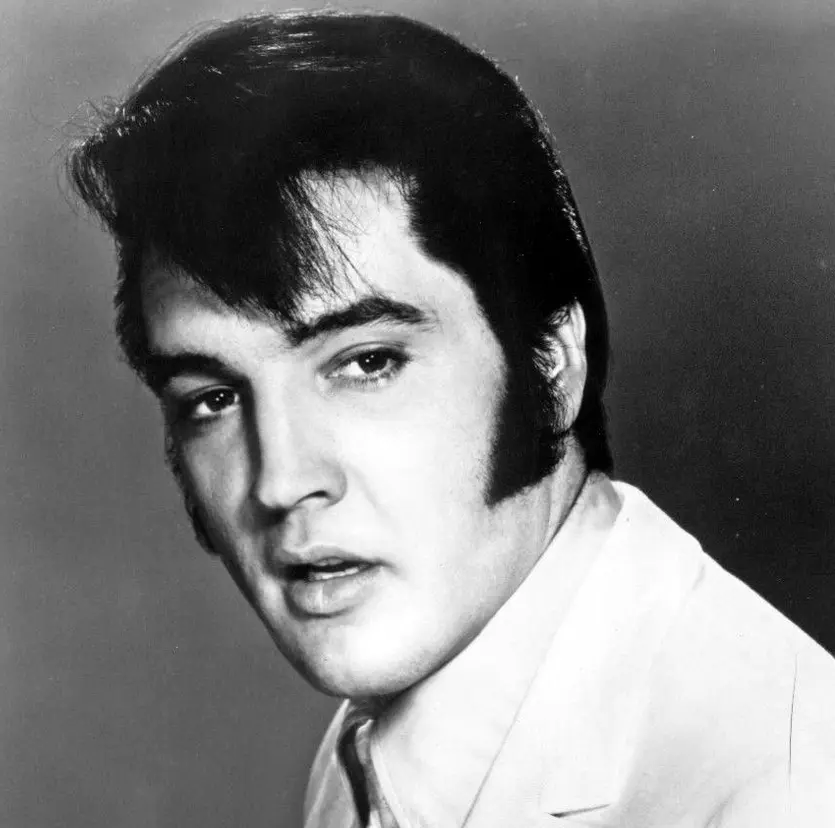
Who Was Elvis Presley?
Elvis Aaron Presley (January 8, 1935 – August 16, 1977) was an American singer, musician, and actor. He is widely recognized as one of the most influential cultural figures of the 20th century and a pioneer of rock and roll. Known worldwide as the «King of Rock and Roll», Presley had a transformative impact on the evolution of modern music, blending genres such as rock, country, gospel, and blues.
Early Life and Background
Born in Tupelo, Mississippi, Elvis was the only surviving child of Vernon Presley and Gladys Love Smith; his twin brother, Jesse Garon Presley, was stillborn. Raised in a working-class household, Presley grew up surrounded by southern American music. In 1948, his family moved to Memphis, Tennessee, where he attended Humes High School.
As a teenager, Presley was deeply influenced by gospel music, blues artists, and country singers. His early exposure to a diverse musical landscape helped shape his unique sound. In 1953, he recorded a demo at Sun Studio as a gift for his mother. The session drew the attention of producer Sam Phillips, who recognized Presley’s potential to bridge Black rhythm and blues with white audiences.
Career Beginnings in Rock and Roll
In 1954, Presley recorded “That’s All Right”, his first official single, which quickly gained popularity on Memphis radio. Teaming up with guitarist Scotty Moore and bassist Bill Black, he helped define the new genre of rockabilly, a blend of country and rhythm & blues.
In 1955, Presley signed with RCA Victor, and by early 1956, he released “Heartbreak Hotel,” which became his first No. 1 hit on the Billboard Hot 100. His breakthrough established him as a national figure and sparked the rock and roll revolution.
Rise to Stardom
Presley’s television debut on The Ed Sullivan Show and other major programs in 1956 catapulted him to fame. His charismatic stage presence, energetic dance moves, and vocal versatility captivated audiences while generating controversy among conservative critics.
That same year, he released his debut album “Elvis Presley” and made his film debut in Love Me Tender. He quickly became a symbol of American youth culture and rebellion, contributing to the mainstream acceptance of rock and roll.
Military Service and Hollywood Era
In 1958, Presley was drafted into the U.S. Army and stationed in West Germany until 1960. During his service, he mourned the death of his mother and met his future wife, Priscilla Beaulieu, whom he married in 1967.
Throughout the 1960s, Presley focused on Hollywood films, appearing in over 30 musical movies such as Blue Hawaiiand Viva Las Vegas. While these films were commercially successful, critics often dismissed them as formulaic.
Presley’s musical output during this time primarily consisted of movie soundtracks, leading to a decline in his influence as new rock acts like The Beatles and Bob Dylan emerged.
Comeback and Las Vegas Years
In 1968, Presley made a widely praised return to live performance with the NBC Comeback Special, simply titled Elvis. Dressed in black leather and performing raw, stripped-down versions of his early hits, he reminded audiences of his musical roots.
In 1969, he launched a residency at the International Hotel in Las Vegas, performing hundreds of sold-out shows. He also returned to studio recording, releasing albums such as From Elvis in Memphis, which included hits like “Suspicious Minds” and “In the Ghetto.”
In 1973, he starred in Aloha from Hawaii via Satellite, the first globally broadcast live concert, reaching over 1 billion viewers across more than 40 countries.
Final Years and Death
By the mid-1970s, Presley faced growing health challenges, including prescription drug dependence, fatigue, and fluctuating weight. Despite this, he maintained a rigorous touring schedule and continued to draw massive crowds.
On August 16, 1977, Elvis Presley died of cardiac arrest at Graceland, his Memphis estate, at the age of 42. The official cause of death was heart failure, exacerbated by multiple health issues. His funeral attracted more than 80,000 fans, and news of his death made international headlines.
Musical Style and Influence
Elvis Presley’s music fused genres in a way that had never been heard before. His blend of gospel, blues, country, and rock not only redefined American music but also challenged social norms, especially during an era of racial segregation.
He popularized African American musical styles for mainstream white audiences, playing a pivotal role in breaking racial barriers in the music industry. Presley’s deep voice, wide vocal range, and charisma on stage set the standard for countless artists to follow.
Musicians such as Bruce Springsteen, The Beatles, Johnny Cash, and Michael Jackson have cited Elvis as a major influence on their careers.
Legacy and Cultural Impact
Presley remains one of the best-selling solo artists in history, with over 1 billion records sold worldwide. He won three Grammy Awards (all in the gospel category) and received the Grammy Lifetime Achievement Award in 1971.
He has been posthumously inducted into several prestigious institutions:
- Rock and Roll Hall of Fame
- Country Music Hall of Fame
- Gospel Music Hall of Fame
- Rockabilly Hall of Fame
In 1982, his Memphis home Graceland was opened to the public and has since become one of the most visited private homes in the United States. In 2006, it was declared a National Historic Landmark.
Presley’s image, music, and cultural influence remain relevant through documentaries, biopics, tribute shows, and global fan communities. His legacy continues to inspire generations of musicians, historians, and fans worldwide.
Interesting Facts About Elvis Presley – Trivia About the King of Rock and Roll
- Elvis Presley never performed outside North America.
Despite being a global icon of rock and roll, Elvis Presley never embarked on an international tour. All of his concerts were held in the United States, with a single exception—a 1957 show in Canada. - He recorded over 600 songs—but wrote none of them.
Although he recorded more than 600 tracks across genres like rock, gospel, blues, and country, Elvis didn’t write any of his own songs. He was known for his powerful voice and emotional interpretation, not for songwriting. - “Aloha from Hawaii” was the first live satellite concert in history.
In 1973, Presley’s Aloha from Hawaii made television history as the first concert broadcast live via satellite. It reached over 1 billion viewers in more than 40 countries, reinforcing his worldwide fame. - Elvis bought Graceland at the age of 22.
In 1957, Elvis purchased Graceland, his iconic Memphis mansion, for $102,500. It remained his private residence until his death and later became a historic tourist attraction. - He earned a black belt in karate.
Elvis Presley was a devoted martial arts practitioner. He achieved a black belt and often included karate-inspired moves in his live performances, blending music with physical artistry. - His favorite food was a peanut butter, banana, and bacon sandwich.
Famously indulgent, the “Elvis sandwich” became a pop culture symbol of his eccentric tastes. It’s now a staple reference in any Elvis Presley trivia list. - He held the record for most Billboard Top 40 hits for decades.
With 114 Billboard Hot 100 entries and 40 Top 10 hits, Elvis dominated U.S. music charts for years, long before the digital streaming era reshaped the industry. - Elvis Presley was naturally blonde.
To create his iconic image, Elvis dyed his light brownish-blonde hair jet black. This striking contrast became part of his visual signature. - He starred in 31 commercially successful films.
Between 1956 and 1969, Elvis appeared in 31 feature films, most of them musical comedies. Though not critically acclaimed, they boosted his visibility and expanded his fan base worldwide.
Graceland is the most-visited private home in America after the White House.
With more than 600,000 visitors per year, Graceland stands as one of the top destinations for music tourism in the U.S., second only to the White House in annual visitation.